Can Hemp Save the Planet?
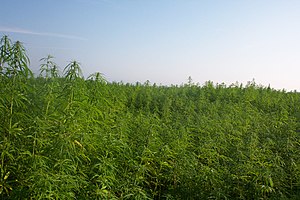
A summary of the plant Cannabis Sativa
Cannabis hemp is one of the most important and individualized plants on earth. The potential for industry and manufacture using cannabis hemp far exceeds any other crop, and it's undoubtedly the number one renewable cash resource for the world. The hemp industry has provided jobs and commerce since the beginning of history, as well as medicine for hundreds of ailments. Beyond that, Cannabis is a staple resource of mankind and will build the foundation for our new era in the 21st Century.
Cannabis hemp is as old as we are. The first woven fabric was made from Hemp fiber somewhere in 7,000-8,000 B.C. One of the earliest Chinese founders of civil-ization, farmer and philosopher Shen Nung preached as early as 3750 B.C. the use of cannabis hemp as fiber.[i] Pictures survive of him clothed in cannabis leaves. Nearly all (90%) of ship’s sails in history have been made from hemp. Russians have used it as a food source in times of starvation for many millennia. People have used the substances in cannabis as medicine and for spiritual recreation as long as man has walked the earth, including many famous figures in history.[ii] In 1941 Henry Ford built an automobile using natural plastics made from hemp, among other plants.[iii]
Cannabis hemp is a member of the botanical order urticales. The Latin name is Cannabis sativa L., and it is an annual, woody, herbaceous crop. A hearty, pest-resistant organism, the plant grows from seed to maturity in only four months. Two crops can sometimes be harvested in a single year. Cannabis can grow anywhere from 3 to 16 feet or more in a season. The stalk is rigid and produces a bark fiber. Growing cannabis hemp takes carbon dioxide from the atmosphere and cleans our air. Cannabis grows with more speed and efficiency than any other plant besides bamboo. Cannabis can grow in almost any climate, and on soil so marginalized other plants would not survive. The roots strengthen the soil and prevent erosion, unlike food crops and tobacco. The leaves of the cannabis hemp plant contain nutrients, and when the growing cycle is complete the leaves fall off and deposit nutrients.
In the last century the cannabis plant was stolen from us in a myriad of deception and lies. Even today, current laws in many countries prevent people from harvesting this vital, renewable resource. We nearly stopped using the plant altogether, but in the last decade cannabis has made a comeback. Even with excessive import costs, cannabis hemp stores (selling mostly clothing and accessories) are springing up around the country. With the growing need for cannabis in society, this market will expand and widen in the 21st century.
Growing cannabis hemp and using it for production and manufacture would create a whole new standard of industry. By stimulating the environment rather than destroying it, we would reach a new balance with nature. Combined with global awareness and the communication possibilities of the Internet, we can effectively build an entirely new base for our economy. Every man, woman, and child on the planet will live on a better earth because of cannabis hemp.
It is time to take charge. Each of us must do all we can to encourage the cultivation of cannabis hemp. Education is the most important weapon for freedom and peace, and cannabis is the best tool to support our society in the coming century. Let us teach each other. Encourage communication and acceptance, and spread the word. Cannabis hemp is our future. We must embrace it.
FINAL NOTE:
Cannabis hemp is also sometimes known by a different name: marijuana. The history behind marijuana and its association with cannabis hemp is quite intricate, and is only briefly discussed below in the section concerning cannabis medicine. This document is meant to provide basic information about how we can use hemp in our lives. People especially interested in information about marijuana (more appropriately called resinous cannabis) should read the companion document to this one, “cannabis hemp and marijuana.” Anyone interested is also encouraged to visit any of the numerous Internet websites on “marijuana culture.” For political and activist information regarding cannabis, one of the best sites on the web for current is www.drugwarroom.com.
THE USES OF HEMP
Cannabis hemp is absolutely the most necessary plant in our lives. With a seemingly endless variety of uses, it will affect everyone on the planet in the next century and many in just the next few years. The nature of the plant allows it to provide for nearly all of the things we use in our lives.[iv] In the 21st Century, cannabis is destined to become the most necessary crop on the earth.
What is provided here is just a basic summary of how we can use cannabis hemp. This list is by no means as expansive or inclusive as it could be. Documenting every use of Cannabis is a monolith chore. The information here is meant simply to lay the foundations of understanding. Many people do not know exactly what cannabis hemp can do for our society, and have misguided views about the plant. Here is the truth. Each person is encouraged to read and learn from this document. The reader may feel free to reprint or repeat anything they feel might be of interest.
USES:
Textiles and Fiber
Paper
Energy
Hemp Seed
Building
Plastic
Medicine
TEXTILES AND FIBER
The most common way we use hemp for industry today (and it’s most common use throughout history) has been as a textile fiber. This fiber can be spun into threads to make rope, twine, cords, etc. It can be woven into clothing, fabrics, or linens, as well as accessories such as bags, wallets, bracelets, or belts. Cannabis hemp is much stronger than cotton and does not need pesticides. Hemp could potentially replace all other forms of fabric. It could make our towels, curtains, pillowcases, pillows, furniture fabric, packaging fabrics, aprons, costumes, carpeting, sleeping and resting mats, decorations, and all without excess chemicals and with positive environmental effects. Cannabis fibers are much stronger than cotton or flax, and also resist rain and will not easily wear out. In modern society many companies are already devoted to cannabis hemp products produced from this fiber. Retail stores all around the country carry these fine goods.
PAPER
For many centuries we used hemp instead of wood for our paper. Now there are important reasons to make the switch back to hemp. One acre of hemp will produce as much paper as 4.1 acres of trees. Hemp paper production would use 10-20% the amount of the chemicals.[v] We use more paper now than we ever have, and this means we are cutting down even more of our precious forests. But we can produce paper of better quality using cannabis. Until the year 1883 we made 75-90% of our paper from hemp.[vi] The constitution was written on hemp paper. The first two drafts of the Declaration of Independence were also written on hemp paper (the final version was made from animal skin). Hemp fiber will tear if wet, but when dry returns to it’s full strength. This paper can last for many centuries without deterioration.[vii] Modern technology allows us to make paper from hemp pulp, much the way we make paper from trees today. This would mean fewer chemicals and less harm to the environment, and give us more paper per acre. Using cannabis for paper will mean more forests for our children. The choice is obvious.
ENERGY
Another very important use of hemp is as an energy source. When cannabis hemp is burned it can produce charcoal, fuel oils and ethane for gasoline, or methane for electricity. This previously overlooked aspect is one of the most vital. Fossil fuels are a plague on the environment and cannabis hemp is the only reliable solution to the problem. If we continue to burn fossil fuels we will eventually run out of energy. Cannabis is an effective renewable energy source (we can always grow more, after all), and can provide for all our energy needs.[viii] We already burn waste wood and wood chips for energy, and there are advancing technologies for renewable energy production. The Environmental Protection Agency and the Department of Energy both have stressed the importance of renewable energy and its role in sustaining our future. As an annual crop with high cellulose content, cannabis is the best plant to burn for our energy needs. Cannabis could give clean energy to everyone. Making the transition to cannabis hemp energy is the next and most essential step in our global evolution, and the first step in the healing of our planet.
HEMP SEED
One of the most beautiful features of the cannabis plant is the seed itself. The oils from hempseed will provide a seemingly endless bounty of products, from shampoo to paint to lubrications to food. Companies worldwide are beginning to appreciate anew this feature of the plant. Natural hemp soaps, cleansers, balms, and various other hygiene products are available to consumers today. Varnish and paints from hemp are easy to make and long lasting, and are cleaner than chemical products.
The hempseed is so useful we can even eat it. We have, in fact, long been eaten hempseed for its protein value, and for essential nutrients and fatty acids. Monks were required to eat hempseed foods at least three times a day. Hempseed can be used for cooking oils. Even birds will naturally choose hempseed among an assortment of choices. Birds in the wild that eat hempseed will live longer and breed more. [ix] We have long made a feedstock of the cannabis seed. Hempseed industries could provide jobs in the United States and help the economy.
BUILDING
Americans are behind the times in terms of cannabis economy. The Dutch, Hungarians, and French already use cannabis as a resource (in fact over 30 countries worldwide already cultivate hemp for industrial purposes). Now in France a concrete substitute from hemp is being developed, and is the start of a giant undeveloped industry for cannabis. Hemp construction for houses and building could provide shelter for everyone, and not just concrete. Hemp fiber and pulp can be processed into drywall or plywood. Cannabis can be used to make particleboard, cabinetry, paneling, and other home construction materials. Using hemp for building would save trees and create new jobs. We could literally build a house from Hemp.
PLASTIC
By converting petrochemicals into various polymers, we create plastics. This includes everything from the plastic fork at a cheap fast food restaurant to the advanced prosthetics we use in medicine. The computer keyboard you are using right now is one of the thousands of examples of plastic. These products could all be made from cannabis hemp. Henry Ford knew this 60 years ago; in 1941 he built a high durability dent-resistant car using plastics made from hemp and other plants. Making plastics from hemp would be easy with current technologies. This would mean much less harm to the environment than petrochemical plastics. Up to this century, cannabis plastic development has never occurred on mass scale on this planet.
Plastic grows ever more important in our society. We make stereos, car interiors, computers, televisions, checkbooks, pens, pencils, videocassettes, food containers, home furnishings, furniture, cooking utensils, dishware, cosmetic packaging, general packaging, toys and games, PVC piping, display casings, windows, cassette tapes, cassette tape cases, CD’s, jewel cases, poker chips, bicycle parts, telephones, cellular telephones, fax machines, beverage containers, lighters, VCRs, clothing, and many, many other products from plastic. All these goods could be made from cannabis plastics instead. Meanwhile the petrochemicals we use now destroy our environment. Hemp plastics would be clean and promote renewable economy.
MEDICINE
Cannabis has been used as medicine since the beginning of civilization. Hemp is probably the most effective form of pain relief, except possibly for opiates like morphine. Hemp is certainly much less addictive, and is safer than acetaminophen or ibuprofen. Until 1937 we used the medicines in resinous cannabis (named because the psychoactive compounds are found in resin sacs on the leaves) for pain relief in our everyday lives. We even gave the medicine to children. Cannabis extracts were an accepted part of our culture, and no one ever thought to outlaw the helpful hemp plant.
Our faith and support in cannabis was not unfounded. The research proving positive therapeutic effects of cannabis is overwhelming, and there are many, many credible studies have recognized medicinal uses of cannabis. In just the past few years several states have legalized medicinal cannabis use, and that trend will continue.
Despite all this, resinous cannabis is a controlled (illegal) substance in the United States. We do not call it resinous cannabis, however; we have given the drug a much more infamous name: Marijuana. In fact the slang term marihuana (an Americanized version of the word originally coined by Mexican soldiers under Pancho Villa) has been used to demonize resinous cannabis in the press for nearly a hundred years. Today, new versions of the same old lies and deceptions are responsible for a generally held belief that resinous cannabis is somehow “evil.” For a long time Americans have blindly accepted that resinous cannabis should be avoided at all costs, not without a terrible effect on society. Terminal AIDS patients and cancer patients cannot get the only medicine effective in easing their pain and suffering, we imprison people and destroy their lives, all because Americans are afraid of the “demon weed.” In California, where four years ago voters passed proposition 215 and gave sick patients the right to used resinous cannabis, patients still fear the long and misguided arm of the law. The DEA tries to shut down the clinics distributing this harmless pain medication, and arrests the good people who fight for medicine and human rights. They intimidate doctors to prevent them from prescribing cannabis. Our own government spends billions of our tax dollars every year preventing people from using cannabis. They will stop at nothing. And so we must stop them.
WHAT NEXT?
There are plenty of reasons to use hemp. Now it is time to change the law. As long as the people are uninformed our sufferings will continue. Spread the word and teach the truth. Our government is ineffective and subverted, controlled by big money corporations who want nothing more than to see cannabis dissapear forever (after all, they stand to lose the billions of dollars they steal from us). But education is their enemy. With a little work and dedication, eventually everyone will know the real facts about the Cannabis Hemp plant, and the government will have no choice but to free the plant and promote it.
And when that happens, you can be sure our world is going to change in many ways. We will stop worrying that our consumption leads to destruction, because it will instead lead to prosperity. We can finally start the real healing of our planet and environment. Our economy will finally have a truly stable base, with a renewable source for industry, ensuring prosperity for generations to come. We will enter a new era of mankind, as never seen before on this planet.


